Categories
Noticias

REACT Workshop: Advancing Pandemic Preparedness through Collaboration and Innovation

REACT Workshop: Advancing Pandemic Preparedness through Collaboration and Innovation

The REACT consortium recently hosted a two-day online workshop titled “REACTing to pandemics”, bringing together researchers, public health professionals, biobank experts, and other key stakeholders working in infectious disease preparedness.

The workshop, structured as two thematic sessions, reflected the scientific scope of the REACT project, which investigates the genetic, immunological, and clinical factors influencing respiratory viral diseases such as SARS-CoV-2, influenza, and RSV.

Each session was attended by approximately 60 participants and included interactive discussions, with attendees actively engaging with speakers through questions and plenary dialogue.

From biobanking to preparedness strategies

The first session focused on biobanking and cohort-based research in disease surveillance and preparedness. Presentations addressed the establishment, management, and use of cohorts, alongside relevant guidelines and frameworks.

These contributions sparked valuable discussions on how to strengthen preparedness for future pandemics, including:

  • Integration of routine healthcare systems into research and surveillance
  • Access to and use of health data
  • Participant enrolment strategies
  • Ethical and GDPR considerations

Participants also explored challenges and opportunities related to immune response studies, as well as sample collection, storage, and accessibility within biobanking infrastructures.

Advancing molecular understanding and in-vitro technologies

The second session expanded on these themes by focusing on in-depth molecular research and advanced in vitro technologies. Presentations covered T-cell immunology and hybrid immunity, as well as cohort-based studies on long COVID and non-communicable diseases.

Speakers also provided a broader perspective on global infectious disease research, highlighting how cutting-edge experimental models can support preparedness efforts.

Discussions emphasised the importance of:

  • Understanding immune mechanisms in infectious diseases
  • Leveraging innovative laboratory technologies
  • Integrating multidisciplinary expertise across large-scale research initiatives

Strengthening collaboration for future pandemics

Overall, the workshop successfully facilitated knowledge exchange across disciplines and stakeholder groups. It highlighted the importance of connecting epidemiological, clinical, and molecular approaches, as well as the critical role of collaboration and shared infrastructures in pandemic preparedness.

By bringing together diverse expertise and perspectives, the REACT workshop contributed to ongoing efforts to strengthen Europe’s capacity to respond to future infectious disease threats.

For more information about the REACT project, please visit: [website]

Categories
Noticias

Successful 5th REACT General Assembly Held in Copenhagen

The fifth General Assembly in Copenhagen brought all partners together for two productive days, strengthening collaboration and showcasing significant scientific progress across all work packages.


The fifth General Assembly Meeting of the project took place in Copenhagen in the beginning of October, bringing together all partners from all participating countries for two dynamic days of presentations, discussions, and collaboration. With excellent attendance and active participation from every partner institution, the meeting once again highlighted the strong commitment and teamwork that drive the consortium forward.

The programme combined presentations from each of the project’s work packages with interactive discussions and dedicated discussion sessions. This provided a comprehensive overview of the project’s progress and upcoming priorities. Despite a number of challenges, the consortium has achieved significant scientific advances across all areas of work. The results presented in Copenhagen demonstrated clear progress toward the project’s goals and reflected the dedication and expertise of all partners.

A key focus of the meeting was the collaboration between work packages and partners, bringing together laboratory and clinical work packages. Dedicated sessions were held to align methodologies, share data, and coordinate next steps. Strengthening this link between research and clinical practice is essential to ensure that scientific findings can be efficiently translated into meaningful applications. Several practical action points were agreed upon to improve communication and streamline the completion of remaining project tasks.

Beyond the formal sessions, the meeting also offered valuable networking opportunities. Partners used the time to initiate new collaborations or reinforce existing ones, identifying areas of synergy and shared interest across different work packages. These exchanges are expected to lead to closer cooperation and increased scientific output in the months ahead.

The atmosphere throughout the meeting was open, constructive, and forward-looking. Partners shared ideas, addressed challenges, and celebrated achievements. Overall, the fifth General Assembly Meeting was a great success—showcasing the consortium’s progress, reinforcing its collaborative spirit, and setting a clear direction for the final stages of the project. The Copenhagen meeting reaffirmed the project’s strong foundation and its potential to deliver lasting impact across Europe.

Categories
Centers

BSRC Fleming

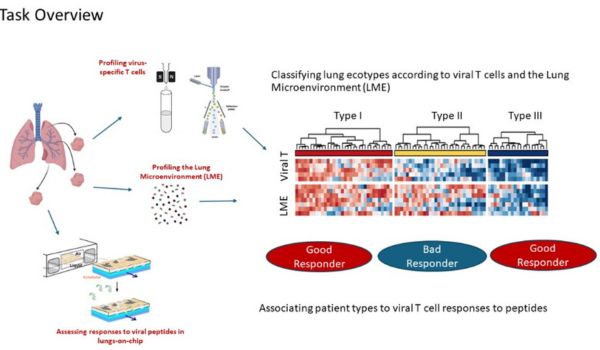
Tsoumakidou group’s mission is towards efficient cancer immunotherapies. The overarching goal of the lab is to decipher the landscape of antigen-presenting cells in cancer patients, with the ultimate aim to develop more effective and precise immunotherapies. The laboratory has strong clinical links and works simultaneously with the mouse and human system. By using state of the art -omic technologies, cancer mouse models, patient-derived xenografts, and advanced culture systems, such as cancer organ chips, we study cell subtypes, signaling pathways, genes, regulatory modules and interactions that control antigen presenting cells in cancer. Among the pioneering questions, we are interested in are: 

• How do dendritic cells change as they transition from homeostasis to tumour and tumour draining lymph node microenvironments? 

• How do non-hematopoietic cells, such as fibroblasts, evolve and acquire their exclusive antigen presenting signatures in the tumour microenvironment? 

• Which are the cardinal interactions that signal for T cell priming in tumour draining lymph nodes and tumour tissues?

Categories
Centers

Lunds Universitet

Categories
Centers

Karolinska Institutet

Karolinska Institutet participates in WP2, 5 and 6 through the participation of Marcus Buggert.

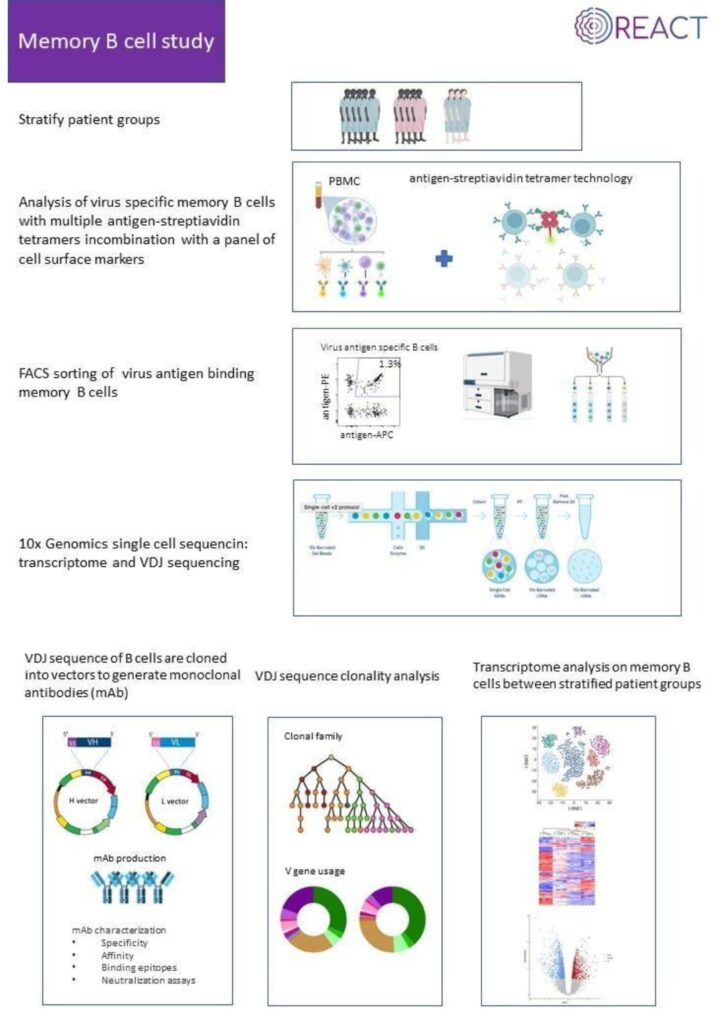
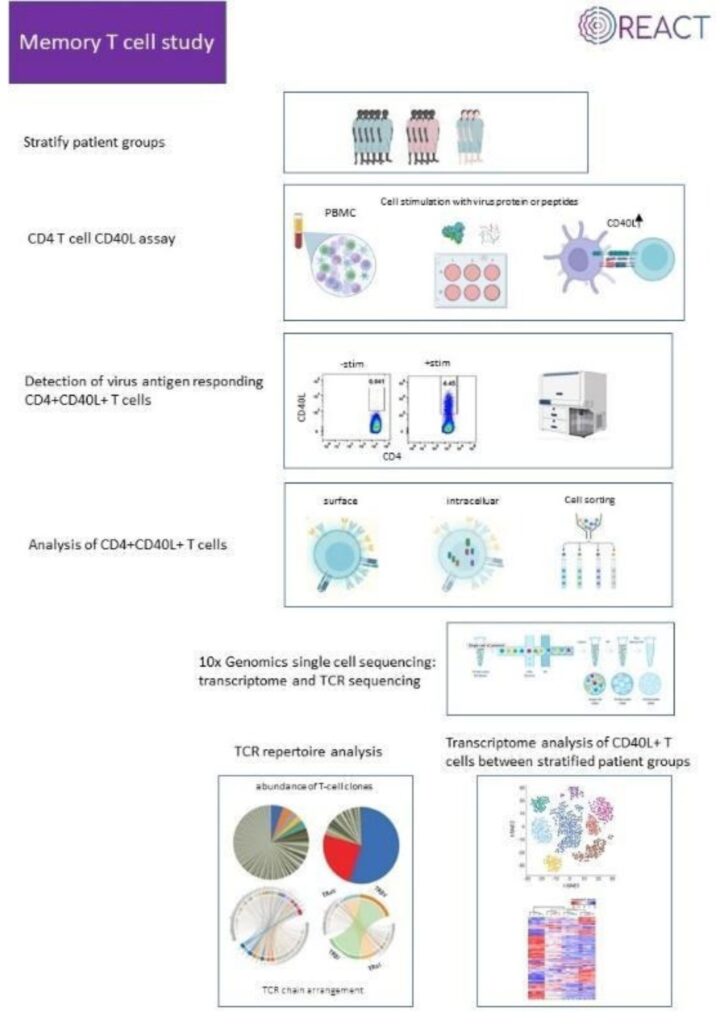
The Buggert group conducts research on cell-mediated immunity. More specifically, we are interested in understanding how memory T cells recognize and eliminate viral infections. Much of our research is focused on the CD8+ T cell arm of cell-mediated immunity. CD8+ T cells are absolutely critical for immune control of most viral infections and also represent a major cellular component of immune therapies that have entirely revolutionized cancer care.

Our group use cutting-edge bulk- and single-cell technologies, including 30-parameter flow cytometry, gene expression, RNA-seq, ATAC-seq, TCR-seq, and proteomics analysis to dissect the heterogeneity and function of memory T cell immunity. Through these platforms, we study different aspects of human memory T cell biology, with an overall aim to i) study the heterogeneity of circulating and resident memory T cells in humans, ii) identify alternative functions of memory T cells in human tissues, and iii) understand how memory T cells maintain control of viral infections.

Categories
Centers

 Zealand Region

Zealand Region participates in WP2 and WP6

The Department of Clinical Immunology, Zealand University Hospital, Køge is responsible for genetic epidemiological research with focus on HLA and risk of infections. It provides access to the Danish Blood Donor Study (DBDS) which is a nationwide ongoing prospective research cohort on blood donors. DBDS include detailled information on life style, behaviour, sleep, stress, psycological and somatic health scores both prior to and during the COVID-19 pandemic.

Categories
Centers

University of Copenhagen

The University of Copenhagen participates in WP4 and WP9 of REACT through the participation of two different research teams:

The Brunak Group participates in WP4 and WP9.

The team aims for understanding multi-morbidity disease progression patterns and their relation to treatment events. The group integrates heterogeneous life science data from the molecular and clinical domains and is also engaged in methodology of translational utility, such as techniques of relevance within precision medicine. The Brunak Group has specific interest in genes and proteins, which play a role in several diseases, genes that may rationalize clinically observed patterns of multi-morbidity, or be of interest in relation to treatment strategies in the domain of chronic pathology.

The Tommerup group participates in WP9.

With more than 40 years of experience within medical and human genetics, the the Tommerup group accumulates knowledge ranging from the pre-genomic era of cytogenetics to the present genomic revolution mediated by NGS/bioinformatics. The present SARS-CoV-2 pandemic has revealed a striking excess of severe COVID-19 deaths among males, and a striking excess of females with persistent COVID symptoms. Moreover, influenza morbidity and mortality are often higher for women than men and a male predominance is seen in RSV morbidity among children. In REACT we will search for viral disease specific and shared host genetic variants that may be associated with these sex differences, with a specific focus on the X and Y chromosomes and on differentially expressed genes in males and females.

The Brunak Group

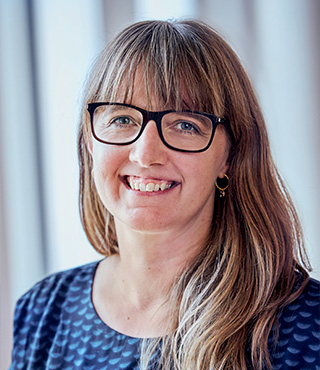
Søren Brunak
Research Director, Professor

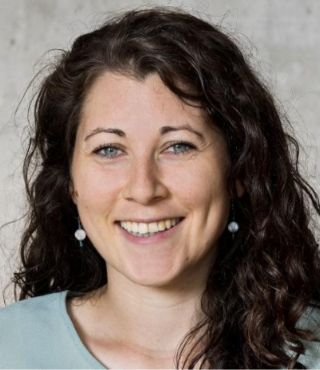
Karina Banasik
Associate Professor

Katharina Eberth
Associate Professor

Isabella Friis Jørgensen

The Tommerup Group

Categories
Centers

Wits Health Consortium

The South African researchers are all affiliated with the Faculty of Health Sciences, University of the Witwatersrand (Wits) (https://www.wits.ac.za/health/). The Wits Health Consortium (Pty) Ltd (WHC) is wholly-owned by Wits University and provides financial and human resources oversight for internationally funded research and clinical trials (https://www.witshealth.co.za/). The National Institute for Communicable Diseases (NICD) provides a strategic resource for laboratory investigation of infectious diseases of public health importance in South Africa but also the greater African continent (https://www.nicd.ac.za/). The Tiemessen Research Laboratory (Cell Biology), within the Centre for HIV and STIs at the NICD, has extensive experience in studying innate immunity, particularly in the context of HIV-1 infection. The research team has varied expertise across flow cytometry, virology, immunology, molecular biology and host genetics. The clinical researchers are based at Chris Hani Baragwanath Academic Hospital (CHBH), the third largest hospital in the world, which is a tertiary level academic hospital located in Soweto, Johannesburg (https://www.chrishanibaragwanathhospital.co.za/), and at Charlotte Maxeke Johannesburg Academic Hospital (CMJAH). Both hospitals are affiliated with the University of the Witwatersrand and trains both undergraduate and postgraduate healthcare workers in multiple disciplines.

The Wits Health Consortium (Pty) Ltd has the infrastructure and management systems in place to provide appropriate financial and human resources oversight for internationally funded research and clinical trials. The National Institute for Communicable Diseases (NICD) provides a strategic resource for laboratory investigation of infectious diseases of public health importance in South Africa but also the greater African continent. The Institute houses several referral laboratories offering specialist laboratory testing serving surveillance and outbreak detection and management. The NICD provides routine reports and analyses, epidemic modelling, advisories, surveillance and research related to COVID-19. The Tiemessen Research Laboratory (Cell Biology), within the Centre for HIV and STIs at the NICD, has extensive experience in studying innate immunity, particularly in the context of HIV-1 infection. The research team has varied expertise across flow cytometry, virology, immunology, molecular biology and host genetics. Chris Hani Baragwanath Academic Hospital (CHBH) is a tertiary level academic hospital located in Soweto, Johannesburg, South Africa. It serves the surrounding predominantly black African population of approximately 1,8 million individuals. Many parts of Soweto rank among the poorest in Johannesburg, although individual townships tend to have a mix of wealthier and poorer residents. It remains the third largest hospital in the world, with 3 200 inpatient beds and receives referrals from surrounding areas as far as 150 km away. It is affiliated with the University of the Witwatersrand (Wits) and trains both undergraduate and postgraduate healthcare workers in multiple disciplines. The Department of Internal Medicine at Wits occupies approximately 700 of these beds. At the peaks of differing SARS-CoV-2 waves, 400 to 500 of the beds allocated to the Department of Internal Medicine were re-allocated to the care of COVID-19 patients. As inpatient numbers increase and decrease between peaks, the numbers of allocated beds follow. The COVID-19 wards remain the responsibility primarily of the Department of Internal Medicine, with assistance from other specialties when required, depending on inpatient numbers. Two of the co-PIs involved in the setup of the cohort study, which is central to the present proposal, were tasked with setting up the wards and all processes within the COVID-19 wards.

Within the National Institute for Communicable Diseases (NICD), the Tiemessen Research Laboratory (Cell Biology) leads WP7 the WHC (Cell Biology) will be responsible for coordinating with clinicians at CHBH for the recruitment of hospitalized COVID-19 patients. The clinicians involved in the study are responsible for patient care, the clinical database and analysis of clinical data. Samples are transported to the NICD, where they will be processed in the Cell Biology laboratory (Centre for HIV and STIs) and where all laboratory assays (all biomarkers, targeted DNA sequencing, genotyping assays) under Tasks 7.2 – 7.4 will be conducted, and data analysed. The whole genome RNA sequencing (single-cell and bulk neutrophils) will be done at the NICD Core Sequencing facility (Task 7.3). Human whole genome sequencing will be conducted at the SAMRC BGI Genomics Centre, Cape Town, South Africa (Task 7.4). Bioinformatics analyses of WGS are done in collaboration with the Sydney Brenner Institute for Molecular Biosciences (SBIMB), University of the Witwatersrand. WHC will be responsible for the financial oversight for studies conducted under WP7 in South Africa. WHC will collaborate with other WP participants –  will ensure shipment of samples for viral/immunological analyses, sharing of data generated on WP7, analysis of integrated data and publication/dissemination of findings.
Categories
Centers

CNIO Biobank

CNIO leads WP2 of REACT through the participation of Dr. Eva Ortega-Paíno, Scientific Director of CNIO Biobank.

To provide effective and personalized healthcare, high quality human biological samples are needed to advance in the biomedical knowledge. The CNIO Biobank is a service platform that provides the scientific community with access to human body specimens, and associated clinical information, necessary to foster patient-sensitive research, increasing biomedical awareness and promoting the development of new techniques and biomarkers.  All this allows the strategic development of research institutions and centres, respecting at all times the legal and ethical precepts, with a special focus on protecting the rights of donors.

CNIO Biobank has historically played a crucial role in the harmonisation of the Spanish biobank landscape, working with the regulatory agents and government officials for creating a common framework for the management of human samples for research, hence encouraging collaboration. In this line,CNIO biobank coordinated the first network of tumour banks at European level,and the national network of Biobanks, promoted by the Carlos III Institute of Health (2009-2017). Currently, it coordinates the Biobank Hub, within the ISCiii Biobanks and Biomodels Platform; and its Scientific Director, Eva Ortega-Paíno, is the Spain National Node’s Scientific Coordinator at the European biobank infrastructure (BBMRI-ERIC).

The Biobank unit is integrated at the CNIO, a Spanish public institution dedicated to the research, diagnosis and treatment of cancer, and affiliated to the Carlos III Institute of Health (Ministry of Science, Innovation and Universities). It is one of the 10 leading cancer research centres in the world (Scimago Institutions Rankings World Report; Nature Index) and covers the entire R&D and Innovation spectrum, from basic research to the clinic, with a view to transferring the results quickly and efficiently to the National Health System and to the pharmaceutical and biotechnology market.

Categories
Centers

Wits Health Consortium