Categories
Noticias

REACT Workshop: Advancing Pandemic Preparedness through Collaboration and Innovation

REACT Workshop: Advancing Pandemic Preparedness through Collaboration and Innovation

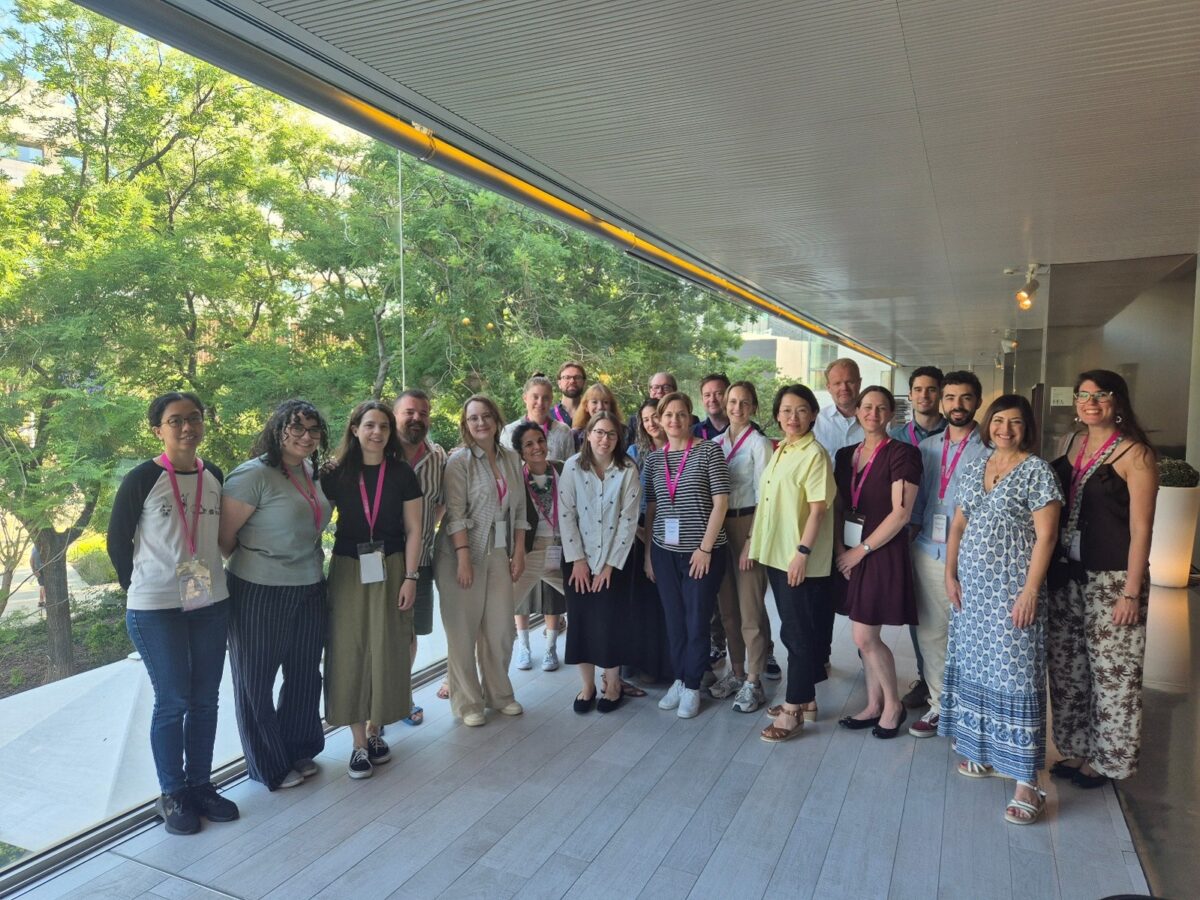
The REACT consortium recently hosted a two-day online workshop titled “REACTing to pandemics”, bringing together researchers, public health professionals, biobank experts, and other key stakeholders working in infectious disease preparedness.

The workshop, structured as two thematic sessions, reflected the scientific scope of the REACT project, which investigates the genetic, immunological, and clinical factors influencing respiratory viral diseases such as SARS-CoV-2, influenza, and RSV.

Each session was attended by approximately 60 participants and included interactive discussions, with attendees actively engaging with speakers through questions and plenary dialogue.

From biobanking to preparedness strategies

The first session focused on biobanking and cohort-based research in disease surveillance and preparedness. Presentations addressed the establishment, management, and use of cohorts, alongside relevant guidelines and frameworks.

These contributions sparked valuable discussions on how to strengthen preparedness for future pandemics, including:

  • Integration of routine healthcare systems into research and surveillance
  • Access to and use of health data
  • Participant enrolment strategies
  • Ethical and GDPR considerations

Participants also explored challenges and opportunities related to immune response studies, as well as sample collection, storage, and accessibility within biobanking infrastructures.

Advancing molecular understanding and in-vitro technologies

The second session expanded on these themes by focusing on in-depth molecular research and advanced in vitro technologies. Presentations covered T-cell immunology and hybrid immunity, as well as cohort-based studies on long COVID and non-communicable diseases.

Speakers also provided a broader perspective on global infectious disease research, highlighting how cutting-edge experimental models can support preparedness efforts.

Discussions emphasised the importance of:

  • Understanding immune mechanisms in infectious diseases
  • Leveraging innovative laboratory technologies
  • Integrating multidisciplinary expertise across large-scale research initiatives

Strengthening collaboration for future pandemics

Overall, the workshop successfully facilitated knowledge exchange across disciplines and stakeholder groups. It highlighted the importance of connecting epidemiological, clinical, and molecular approaches, as well as the critical role of collaboration and shared infrastructures in pandemic preparedness.

By bringing together diverse expertise and perspectives, the REACT workshop contributed to ongoing efforts to strengthen Europe’s capacity to respond to future infectious disease threats.

For more information about the REACT project, please visit: [website]
Categories
Noticias

Successful 5th REACT General Assembly Held in Copenhagen

The fifth General Assembly in Copenhagen brought all partners together for two productive days, strengthening collaboration and showcasing significant scientific progress across all work packages.


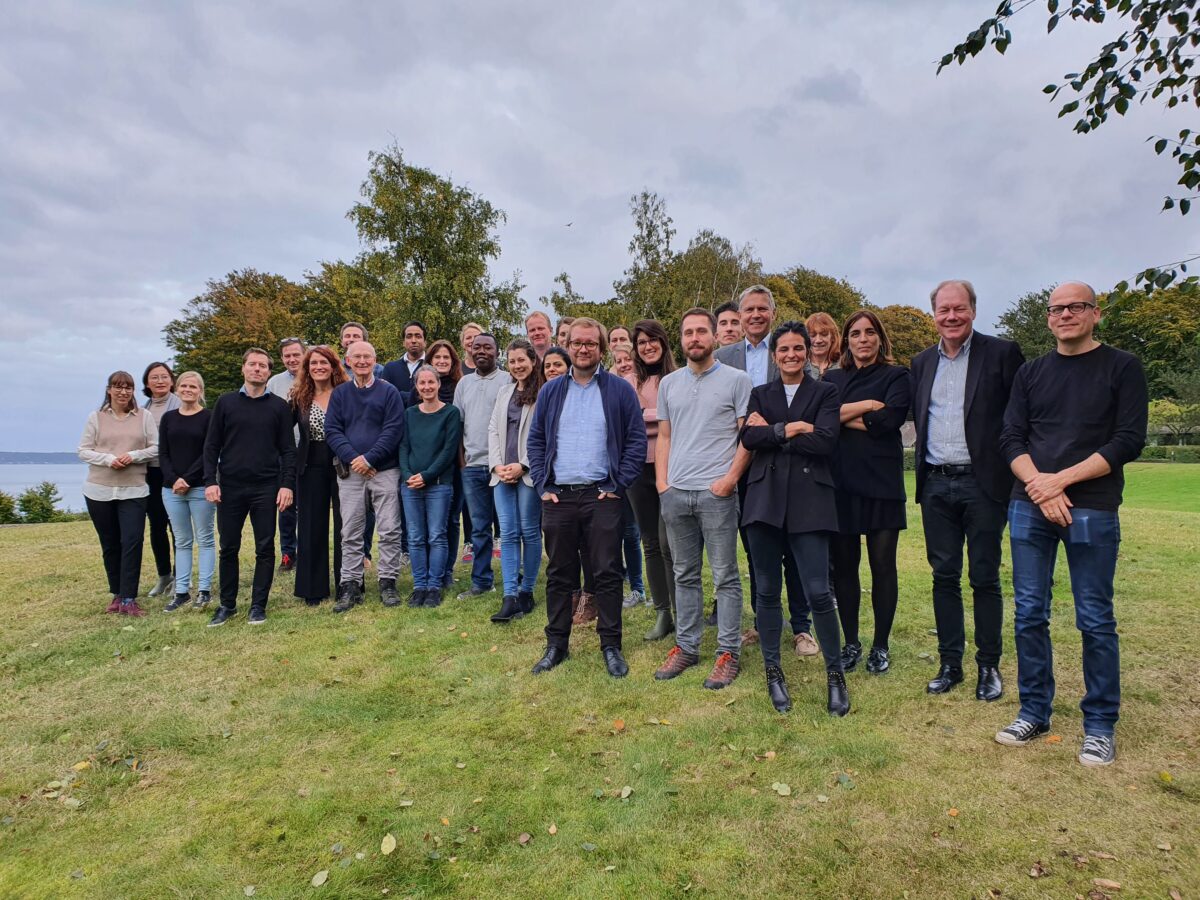
The fifth General Assembly Meeting of the project took place in Copenhagen in the beginning of October, bringing together all partners from all participating countries for two dynamic days of presentations, discussions, and collaboration. With excellent attendance and active participation from every partner institution, the meeting once again highlighted the strong commitment and teamwork that drive the consortium forward.

The programme combined presentations from each of the project’s work packages with interactive discussions and dedicated discussion sessions. This provided a comprehensive overview of the project’s progress and upcoming priorities. Despite a number of challenges, the consortium has achieved significant scientific advances across all areas of work. The results presented in Copenhagen demonstrated clear progress toward the project’s goals and reflected the dedication and expertise of all partners.

A key focus of the meeting was the collaboration between work packages and partners, bringing together laboratory and clinical work packages. Dedicated sessions were held to align methodologies, share data, and coordinate next steps. Strengthening this link between research and clinical practice is essential to ensure that scientific findings can be efficiently translated into meaningful applications. Several practical action points were agreed upon to improve communication and streamline the completion of remaining project tasks.

Beyond the formal sessions, the meeting also offered valuable networking opportunities. Partners used the time to initiate new collaborations or reinforce existing ones, identifying areas of synergy and shared interest across different work packages. These exchanges are expected to lead to closer cooperation and increased scientific output in the months ahead.

The atmosphere throughout the meeting was open, constructive, and forward-looking. Partners shared ideas, addressed challenges, and celebrated achievements. Overall, the fifth General Assembly Meeting was a great success—showcasing the consortium’s progress, reinforcing its collaborative spirit, and setting a clear direction for the final stages of the project. The Copenhagen meeting reaffirmed the project’s strong foundation and its potential to deliver lasting impact across Europe.

Categories
Noticias

PhD course and Symposium in Biobanking

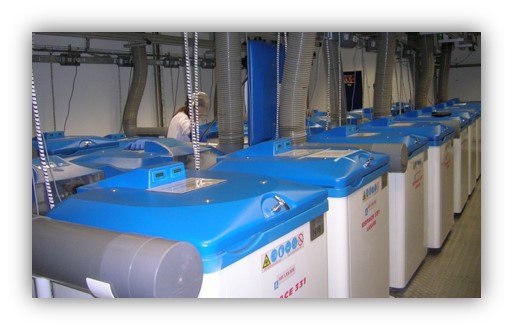
Just now in November, the coordinating partner SSI and the Danish National Biobank has been the host and organizer of a PhD course and Symposium regarding Biobanking. The goal of the PhD course was to provide an interdisciplinary perspective on the historical, philosophical, ethical, legal, social, technical and cultural aspects related to the collection, storage, use and dissemination of human biological samples and health information, evolving Biobanking. After completion of the course, the students should have a broad understanding of biobanking, as well as the challenges associated with collaboration between the different stakeholders.

At the Biobank Symposium, world leading biobanks and researchers were brought together to discuss how we can use innovative approaches and expanded cooperation with the pharmaceutical industry to improve health care. The covid-19 pandemic has made the strengths of biobanks and research partnership even more prominent. The availability of stored positive samples combined with other biological samples and clinical data from the same individuals has enabled unprecedented host-pathogen genetics studies. The large number of samples collected from covid-19 serology studies can potentially be used in conjunction with epidemiological data and general health data to elucidate factors relevant for studying covid-19 immunity. These factors combined makes biobanks and large datasets attractive to both academia and industry. In the recent years several drugs have been developed based on genetic discoveries from biobank material. This availability of large-scale datasets from biological material is very attractive for the pharmaceutical industry and has led to increased funding from industry partners for large scale genetic projects.

Categories
Noticias

REACT KICK- OFF MEETING

At the beginning of October, the REACT project was kicked off with a kick-off meeting in Helsingør, Denmark. The meeting was held over two days, and included presentations from each work package introducing the participating partners, the aim, status and immediate goals of the WP. At the meeting, effective reporting to the European Commission and future meetings were discussed. We had two successful, productive and fun days overlooking Øresund and Sweden from the venue of Konventum.